



Introduction: Why Tax Loss Harvesting Matters for New Investors
Let me save you the hours of research I went through.
Did you know that 60% of investors miss opportunities to improve after-tax returns through tax loss harvesting? (Source: Forbes Advisor)
Betterment, a leading robo-advisor, promotes tax loss harvesting as a key feature for investors aiming to reduce taxable income and boost net gains. But how effective is it for first-time investors? This article breaks down Betterment’s tax loss harvesting service and compares it with other options to help new investors understand the pros, cons, and practical impact.
Key Takeaways:
- Betterment offers daily tax loss harvesting on portfolios over $50,000.
- It automatically sells losing positions to offset gains, potentially lowering your tax bill.
- There are limitations, including wash sale rules and portfolio impact.
- Competitors like Wealthfront and M1 Finance have varying approaches and thresholds.
- For first-time investors, Betterment’s automation can simplify a complex strategy, but it’s not a tax panacea.

Betterment Tax Loss Harvesting Overview
Betterment’s tax loss harvesting (TLH) is a feature available to taxable accounts with balances above $50,000. The platform monitors portfolios daily, identifying securities with losses that can be sold to offset realized gains or up to $3,000 of ordinary income annually.
The process involves selling losing investments and immediately replacing them with highly correlated ETFs to maintain portfolio exposure, thereby avoiding market timing risks.
Betterment claims that its TLH algorithm can add an average of 0.77% in after-tax returns annually, according to a 2019 study by Betterment’s internal research team.
And that brings us to the real question.

Feature Comparison: Betterment vs Competitors
| Feature | Betterment | Wealthfront | M1 Finance |
|---|---|---|---|
| Minimum TLH Balance | $50,000 | $100,000 | Not available |
| Harvesting Frequency | Daily | Daily | Not available |
| Automatic ETF Replacement | Yes | Yes | No |
| Tax Optimization Options | Tax Coordinated Portfolio | Tax-Loss Harvesting + Direct Indexing (for $500k+) | None |
| Mobile App Alerts | Yes | Yes | Limited |
Stick with me here — this matters more than you’d think.
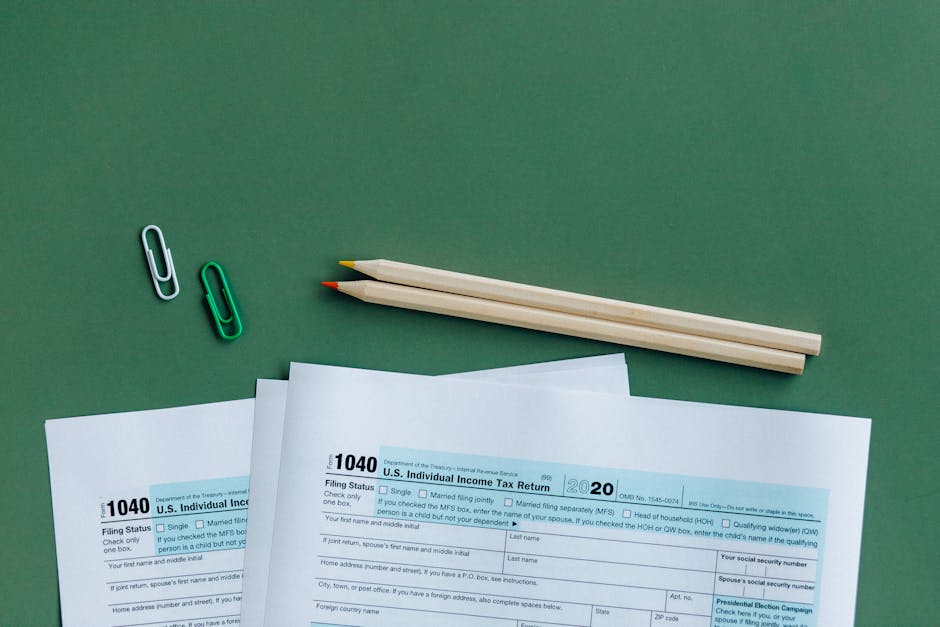
Pricing and Fees Related to Tax Loss Harvesting
Betterment charges a management fee of 0.25% annually for its Digital plan and 0.40% for Premium, which includes financial advice. Tax loss harvesting is included at no extra cost but requires the $50,000 minimum balance.
Wealthfront offers TLH for accounts over $100,000 at a 0.25% fee, with direct indexing for accounts above $500,000 costing 0.40%. M1 Finance is commission-free but does not offer TLH services.
| Platform | Management Fee | Minimum Balance for TLH | Additional TLH Fees |
|---|---|---|---|
| Betterment | 0.25% – 0.40% | $50,000 | None |
| Wealthfront | 0.25% | $100,000 | None |
| M1 Finance | Free | Not Available | Not Available |

Pros and Cons of Betterment Tax Loss Harvesting
Pros
- Automation: No manual intervention required once set up.
- Daily Monitoring: Maximizes harvesting opportunities.
- ETF Replacement: Maintains portfolio exposure and risk profile.
- Tax Coordinated Portfolio: Allocates tax-inefficient assets to tax-advantaged accounts.
Cons
- High Minimum Balance: $50,000 minimum excludes many first-time investors.
- Wash Sale Rule Complexity: Automatic replacements must be carefully managed to avoid wash sales.
- Limited Control: Investors cannot customize TLH parameters.
- Potentially Lower Harvesting for Small Accounts: Smaller portfolios may see limited benefit.
Use Cases: Who Benefits Most from Betterment TLH?
Betterment’s tax loss harvesting is best suited for:
- Investors with taxable accounts over $50,000.
- Those seeking automated tax-efficiency without manual tax planning.
- Investors comfortable with ETF-based portfolios.
- Individuals looking to reduce capital gains tax liabilities in volatile markets.
For new investors with less than $50,000, the service is not available, and manual tax loss harvesting or other platforms may be better options.
Verdict: Does Betterment Tax Loss Harvesting Work for First-Time Investors?
Betterment’s tax loss harvesting is a well-designed, automated strategy that can enhance after-tax returns for investors with sufficiently large taxable accounts. Its daily monitoring and immediate ETF replacements make it one of the more sophisticated offerings in the robo-advisor space.
However, the $50,000 minimum balance is a significant barrier for many first-time or small-scale investors. Without meeting this threshold, new investors cannot leverage Betterment’s TLH benefits.
On top of that, while TLH can reduce taxes, it does not eliminate them, and investors should remain aware of limitations such as wash sale rules and portfolio drift.
Alternatives like Wealthfront offer similar TLH but with higher minimums, w
But here’s the catch.
hile platforms like M1 Finance lack automated TLH altogether.
Ultimately, Betterment’s tax loss harvesting is a useful tool, but first-time investors should evaluate account sizes, tax situations, and willingness to adopt automated investing before relying on it.
You May Also Like
- How to Create a Zero-Based Budget Using Free Spreadsheet Templates
- Vanguard Target Date Funds vs Betterment: Retirement Portfolio Solutions
- How Acorns Round-Up Investing Grows Returns After 3 Years
FAQ
What is tax loss harvesting?
Tax loss harvesting is the practice of selling investments at a loss to offset capital gains or reduce taxable income, thereby lowering your tax bill.
Does Betterment guarantee tax savings with TLH?
No, tax loss harvesting can reduce your tax liability but does not guarantee specific savings. Results depend on portfolio performance and individual tax situations.
Can first-time investors under $50,000 use Betterment’s TLH?
No, Betterment requires at least $50,000 in a taxable account to enable tax loss harvesting.
Are there risks with tax loss harvesting?
Yes. The wash sale rule can disallow losses if similar securities are repurchased within 30 days, and frequent trading can cause portfolio drift.
This is informational content, not financial advice.
📌 You May Also Like
🔍 Explore More Topics
🔗 Helpful Resources